
A 3 Month Plumbing Course has become an increasingly popular way for adults to enter the skilled trades without spending years in a traditional apprenticeship. With demand for plumbers remaining steady nationwide, shorter training programs can provide essential skills and a direct path to entry-level employment. In this guide, we’ll explore what these accelerated programs include, how they compare to longer training, and what to expect as you work toward becoming a Certified Plumber.
What to Expect in 3 Month Courses
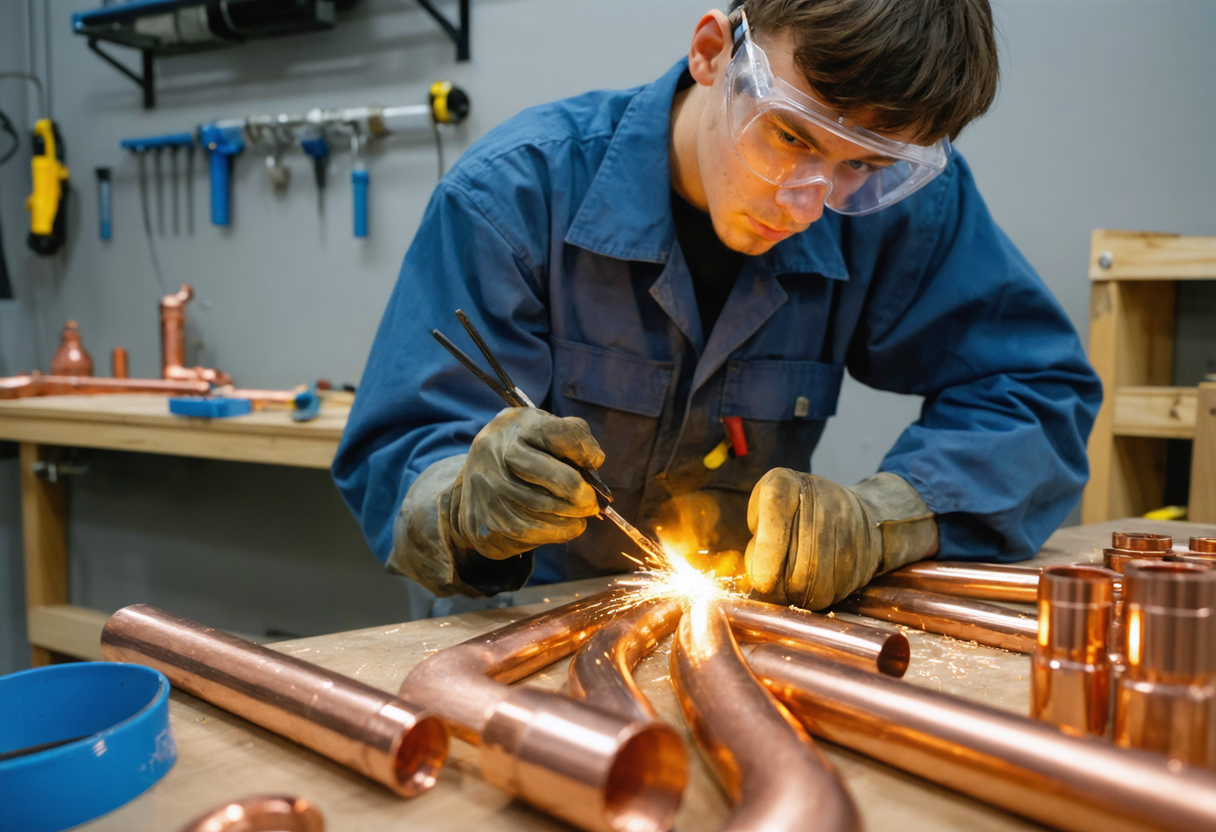
Three-month plumbing programs are intensive, hands-on courses designed to cover the fundamentals of residential and light commercial plumbing. Most 3 Month Courses combine classroom instruction with lab practice, covering topics like pipe cutting and soldering, drain and vent systems, fixture installation, and basic code compliance. Because the timeline is condensed, students should expect full-time or near full-time attendance, along with daily practical exercises. According to the U.S. Bureau of Labor Statistics, plumbing requires a combination of technical knowledge and physical skill, and short programs focus on building both quickly. However, these courses typically prepare you for an entry-level position or apprenticeship, not for immediate independent contracting work.
Training and Certification: Building Your Credentials
Formal education is only one part of becoming a plumber. Most states require a combination of classroom hours and on-the-job experience before you can take a licensing exam. A short Training and Certification program can help you earn a certificate that demonstrates your foundational knowledge, even if it does not replace the need for an apprenticeship. Many short programs are structured as a Certificate Program, awarding a diploma or certificate upon completion. The benefits of a fast-track certificate include:
- Faster entry into the workforce as an apprentice or helper
- Familiarity with local plumbing codes and safety standards
- A competitive edge when applying for apprenticeship openings
While a certificate alone does not make you a Certified Plumber, it is often the first step on the path to that designation. Certification and licensing requirements vary by state, so it’s wise to check with your state’s licensing board. Organizations like the Plumbing-Heating-Cooling Contractors Association (PHCC) provide guidance on certification pathways.
Online Training vs. Residential Plumbing Course
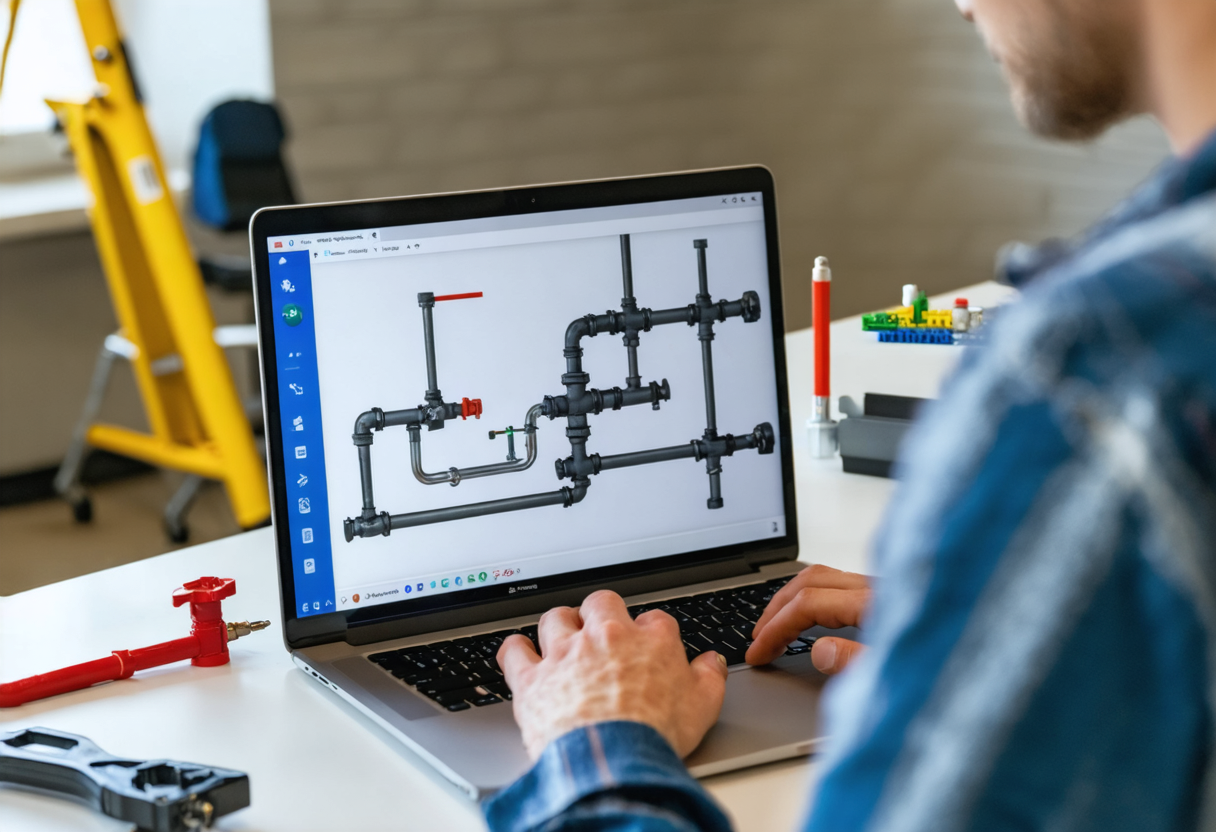
As with many trades, some components of plumbing education have moved online. Online Training can be a flexible way to learn the theory of plumbing systems, read blueprints, and study code requirements from home. However, plumbing is a hands-on trade, and a purely online program may not give you the practical skills employers expect. Many accelerated programs now use a hybrid model: you complete the textbook portions online and then attend in-person labs for the physical work. A Residential Plumbing Course typically focuses on the systems found in homes—water supply, drainage, and fixture installation—and is ideal if you plan to work on houses and apartments. If you are weighing options, consider whether the program includes enough supervised workshop time. A program that lacks a significant practical component might leave you unprepared for real-world job sites. The National Center for Construction Education and Research (NCCER) offers standardized curricula that some online programs use.
Finding Plumbing Training Near Me and Becoming a Certified Plumber
If you’re ready to start, the next step is to search for Plumbing Training Near Me to find accredited programs in your area. Community colleges, trade schools, and union training centers often offer short introductory courses or full certificate programs. When comparing options, ask about job placement assistance, instructor qualifications, and whether the credits can apply toward an apprenticeship. Many students start with a 3 Month Plumbing Course, then enter a paid apprenticeship that lasts two to five years. Over that time, they accumulate the required hours to sit for the state journeyman plumber exam. Once you pass that exam and meet experience requirements, you can become a Certified Plumber in many jurisdictions, with the ability to work independently and potentially run your own business.
A 3 Month Plumbing Course can be a smart, efficient way to test the waters or jumpstart a career in the skilled trades. While it won't make you an expert overnight, it provides a solid foundation in residential plumbing, helps you earn a certificate, and positions you to enter an apprenticeship. If you're serious about pursuing this path, take time to research accredited programs near you, talk to admissions counselors, and consider how a short course fits into your long-term career goals. Learning more about your local options is a safe and practical next step.