
Pursuing a medical degree abroad can cost over $200,000, but scholarships make this dream attainable for many international students. According to the Association of American Medical Colleges, private U.S. medical schools charge over $60,000 per year. This guide explores main funding types and how to improve your chances.
Understanding Medical School Scholarships for International Study

Understanding Medical School Scholarships for International Study is the first step to reducing financial burden. These awards, from governments, universities, and foundations, can cover tuition, living costs, and travel—without repayment. Unlike loans, scholarships are highly competitive, so early research and tailored applications matter. Databases like the Institute of International Education list opportunities worldwide.
Government-Funded Programs for Medical Students
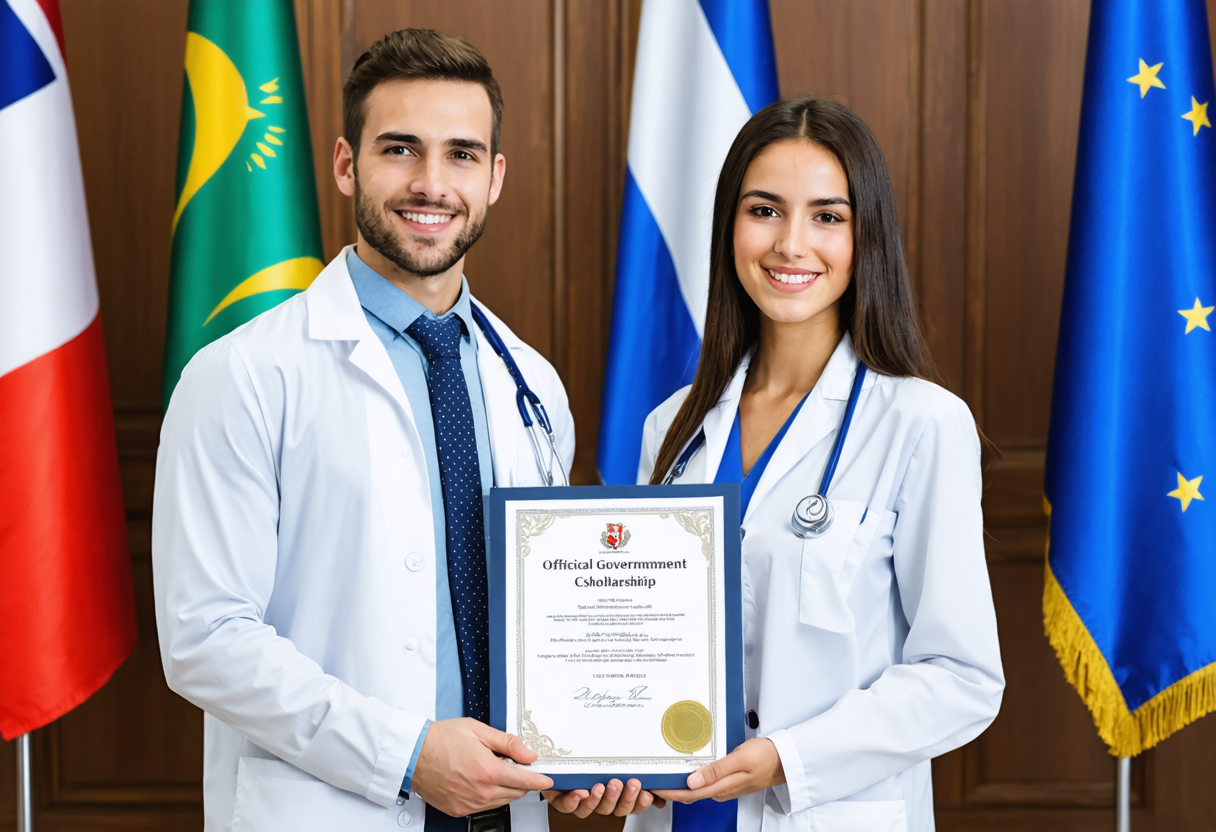
Many countries offer Gover,nment-Funded Programs for Medical Students to attract talent and address shortages. For example, the Fulbright Foreign Student Program covers medical study for students from over 155 countries. Similarly, the UK's Chevening Scholarships fund future leaders in medicine. These programs often require a commitment to return home after graduation.
Research Opportunities and Training Programs

If you prefer academic medicine, Research Opportunities and Training Programs can provide funding plus hands-on experience. The NIH Visiting Fellows program supports international researchers, sometimes with tuition help. Many universities also offer assistantships that waive tuition for teaching or lab work. These roles strengthen your CV for residency applications, though they may require prior research experience and a separate application.
Service-Based Scholarship Programs

Service-Based Scholarship Programs tie financial support to a promise to work in underserved areas. While many are domestic, the World Health Organization partners with some governments to fund medical students from low-income countries who will serve rural clinics. These scholarships often cover full tuition and a stipend, but the service obligation can last two to four years—so consider your willingness before applying.
Eligibility Requirements and Application Processes

Understanding Eligibility Requirements and Application Processes is crucial to avoid wasted effort. Most programs require strong academics, recommendation letters, a personal statement, and often proof of financial need. Deadlines are typically 6-12 months before term starts. Common required documents include:
- Academic transcripts
- Language proficiency scores (TOEFL/IELTS)
- Personal statement
- Two to three recommendation letters
- Financial need documentation (if applicable)
Additionally, some awards require an interview.
Who Can Apply for International Medical Scholarships

Who Can Apply for International Medical Scholarships? Eligibility varies, but many target students from developing countries or those with exceptional academic records. Some scholarships focus on specific regions or fields, while others are open to any non-citizen. Age limits and prior degrees may apply. Always check official pages, such as Scholars4Dev, for current criteria.
Medical school scholarships for international students can make an unaffordable degree possible. By exploring government programs, research roles, service commitments, and understanding eligibility, you can significantly lower costs. Start early, tailor applications, and meet deadlines. If a career in medicine is your goal, these funding options are worth pursuing.