
Emergency departments (EDs) are high-pressure environments where every second counts, and the right medical devices and technology can mean the difference between life and death. From advanced monitoring systems to portable diagnostic tools, these innovations are rapidly transforming how emergency medicine is practiced. In this guide, we'll explore the key trends in ED medical devices and technology, the role of medical software, and practical advice for navigating the medical device purchase process—including buying medical equipment online.
Understanding ED Medical Devices and Technology
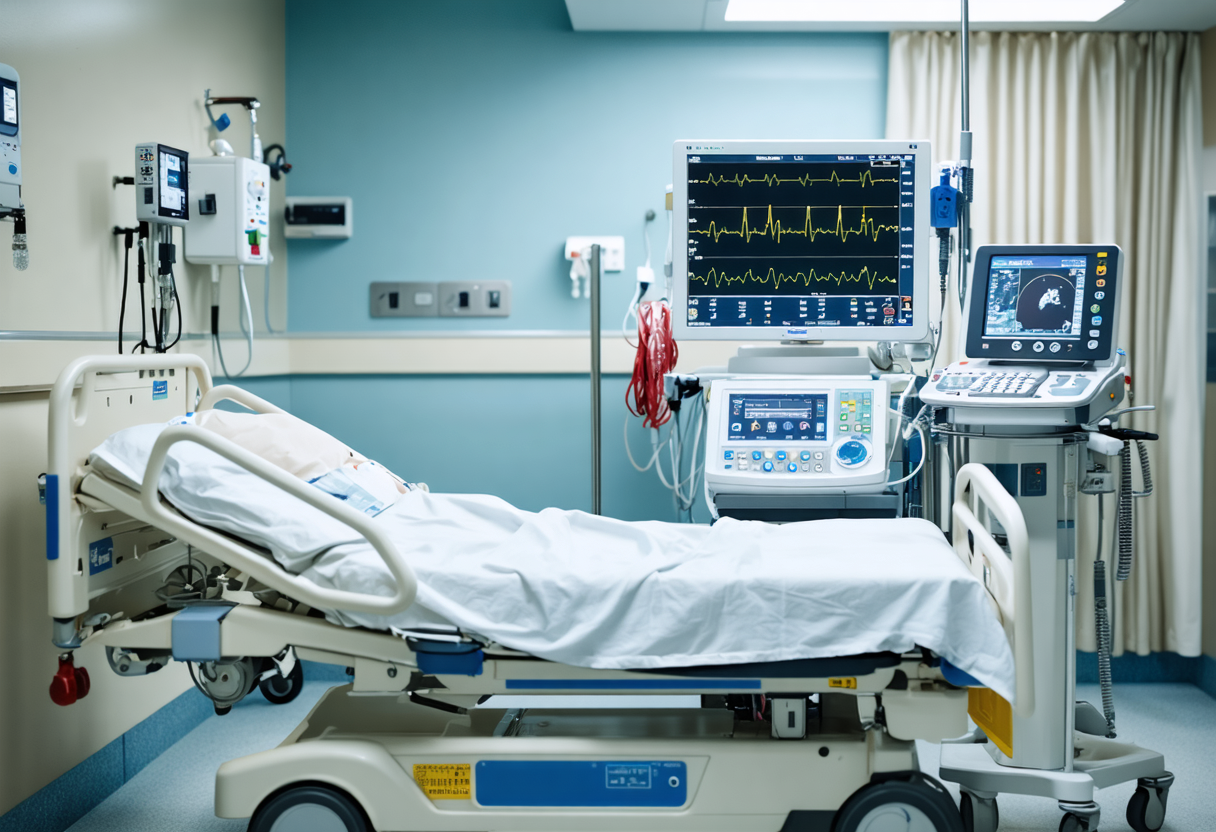
Emergency departments rely on a wide range of medical equipment to diagnose and treat patients quickly. According to the CDC, nearly 140 million visits are made to U.S. emergency departments each year, underscoring the immense demand for reliable technology. ED medical devices include everything from basic vital sign monitors to complex imaging systems like CT scanners. However, the landscape is evolving; modern EDs increasingly adopt integrated systems that combine hardware and software to streamline workflows. For example, a medical device company might offer a smart defibrillator that automatically transmits patient data to the electronic health record, reducing manual errors. This convergence of medical equipment and digital tools is at the heart of today's ED technology revolution.
The Rise of Portable Medical Diagnostic Equipment

One of the most significant shifts in ED care is the increasing use of portable medical diagnostic equipment. These compact devices allow clinicians to perform tests at the patient's bedside, reducing wait times and improving outcomes. For instance, handheld ultrasound devices now provide real-time imaging for trauma assessments, while portable blood analyzers deliver lab results within minutes. The benefits are clear: faster diagnosis, better patient flow, and the ability to provide care in remote or resource-limited settings.
- Point-of-care testing devices, such as portable coagulation monitors, enable immediate treatment decisions.
- Wireless vital sign monitors can be worn by patients as they move through the ED, continuously streaming data to central stations.
- Portable ECG machines and pulse oximeters are now small enough to fit in a pocket, making them ideal for triage or ambulance use.
These innovations are not only improving emergency care but also expanding access to diagnostics beyond traditional hospital walls.
How Medical Software Enhances Emergency Care
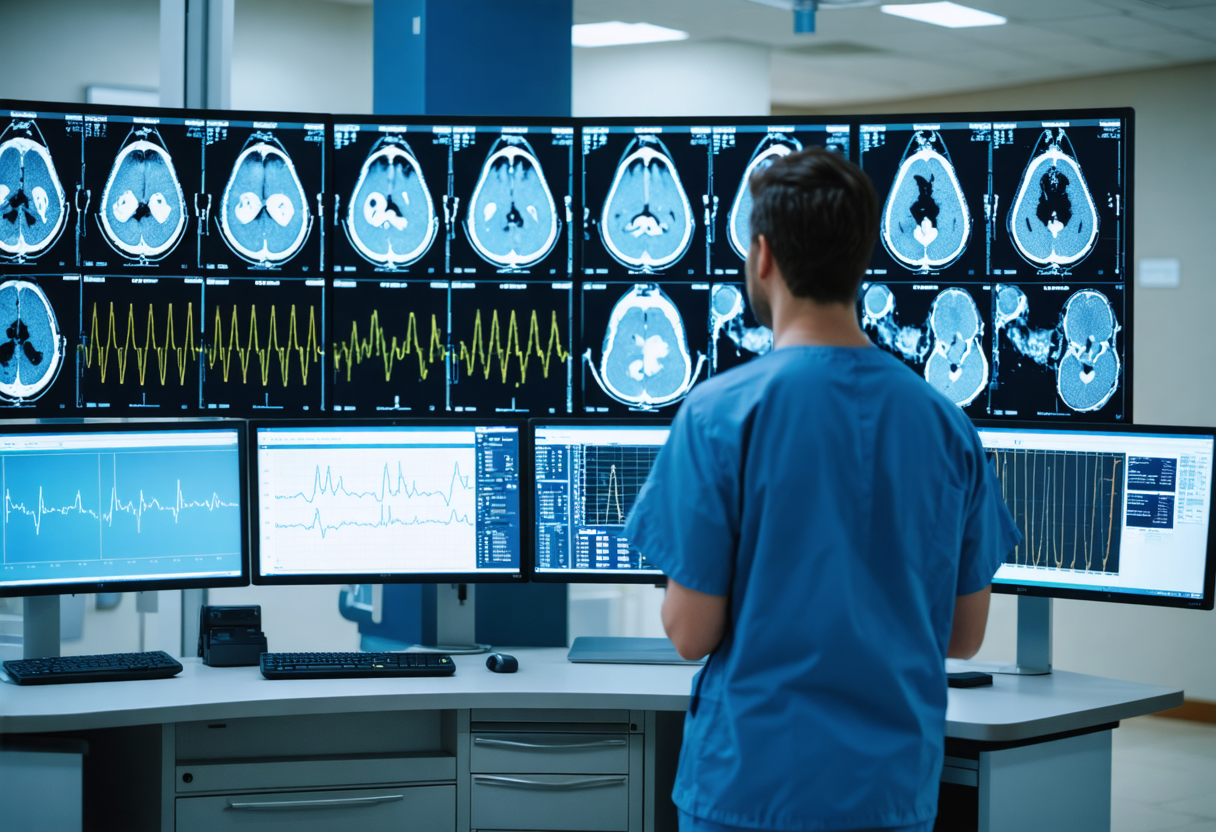
Behind every great medical device is powerful medical software that turns raw data into actionable insights. In the ED, software platforms integrate information from monitors, imaging systems, and laboratory equipment, giving clinicians a comprehensive view of the patient. For example, clinical decision support systems can flag potential drug interactions or suggest treatment protocols based on real-time data. Additionally, telemedicine software allows emergency physicians to consult with specialists remotely, which is especially valuable in rural hospitals. The adoption of such software is rising; a report from HIMSS indicates that over 90% of U.S. hospitals now use electronic health records, and many are expanding their use of analytics and AI-driven tools.
- Improved documentation accuracy reduces billing errors and enhances legal compliance.
- Real-time dashboards help staff track patient wait times and bed availability.
- Interoperability between devices ensures that data from a portable monitor seamlessly updates the patient's chart.
Ultimately, medical software is the glue that binds the ED's hardware, making the entire system more efficient and safer.
Navigating the Medical Device Purchase Process
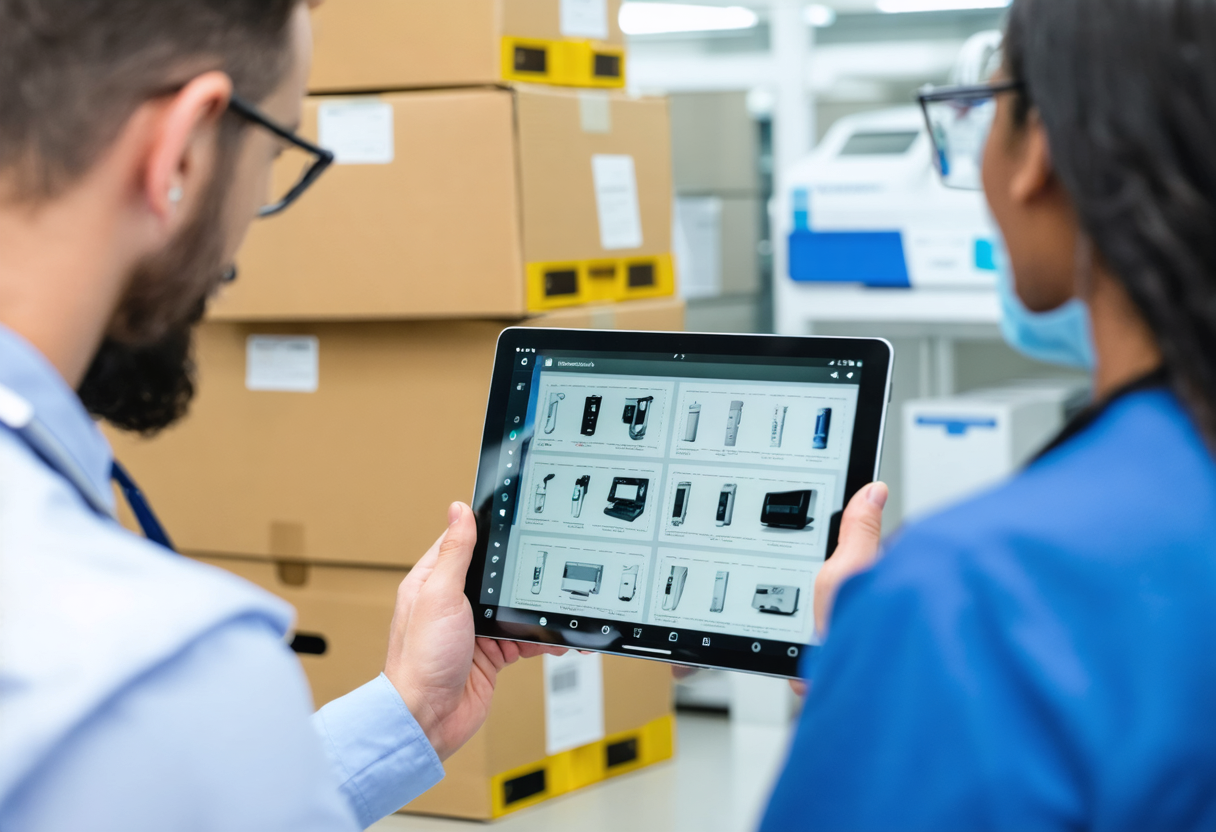
Whether you're outfitting a new emergency department or upgrading existing equipment, the medical device purchase process requires careful planning. Start by identifying the specific needs of your facility; a small urgent care clinic may not need the same high-end imaging systems as a Level I trauma center. After determining your requirements, research reputable medical device companies that offer the products you need. Many suppliers now provide catalogs of medical equipment for sale online, making it easier to compare features and prices. However, buying medical devices online comes with considerations: verify that the vendor is authorized, check warranty and support terms, and ensure the device meets regulatory standards such as FDA clearance.
- Request a demonstration or trial period for complex equipment.
- Compare total cost of ownership, including maintenance and disposables.
- Read reviews and ask for references from other healthcare facilities.
- Confirm that the device integrates with your existing medical software and IT infrastructure.
By following these steps, you can make an informed medical device purchase that balances quality, cost, and long-term value.
Choosing the Right Medical Device Company
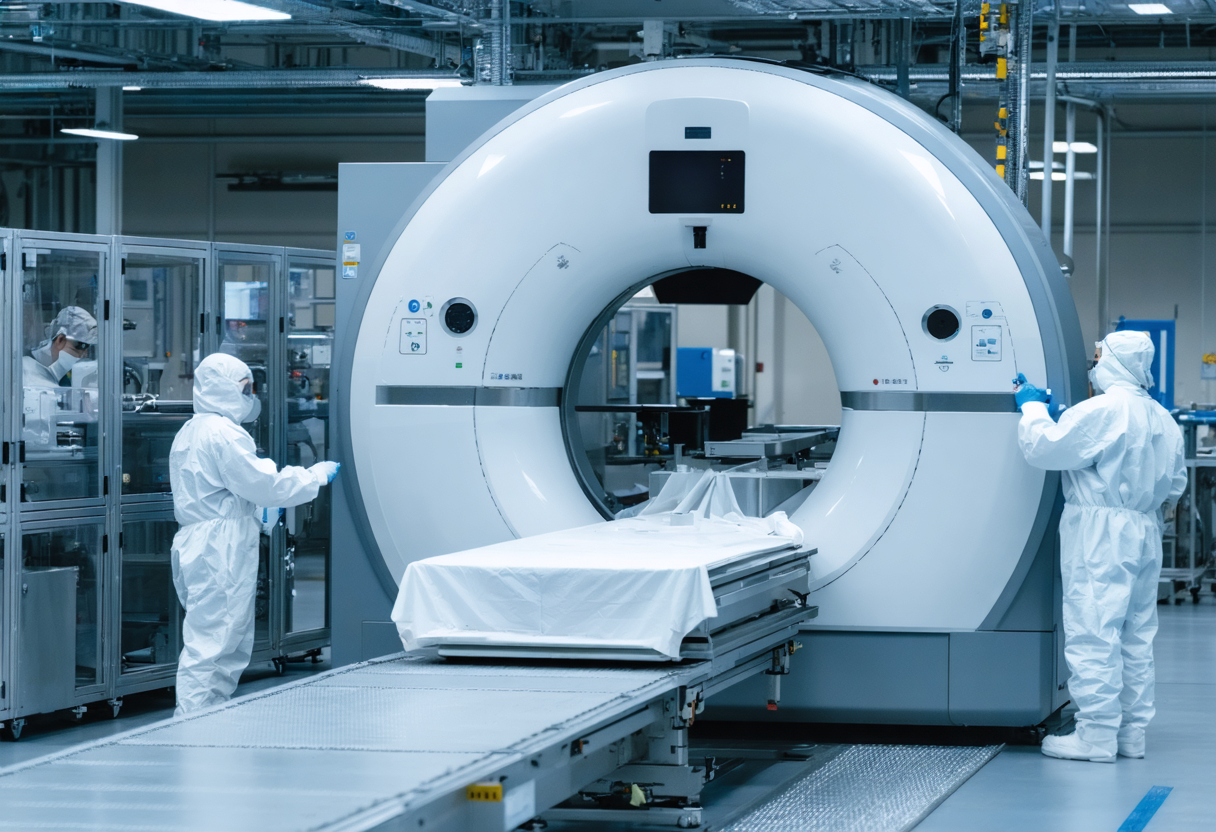
Selecting a trustworthy medical device company is just as important as choosing the right equipment. Look for manufacturers and distributors with a proven track record in emergency medicine, as they understand the unique demands of high-acuity settings. A reliable company will offer robust customer support, training, and service plans. Moreover, as the industry shifts toward value-based care, many companies now provide data analytics services alongside their hardware. For instance, a vendor might offer a subscription model that includes regular software updates and predictive maintenance alerts, helping you avoid unexpected downtime. When evaluating options, consider the company's reputation, financial stability, and commitment to innovation. According to FDA data, the number of medical device approvals has grown steadily, reflecting a competitive market where quality and safety remain paramount.
In summary, ED medical devices and technology are not just about the latest gadgets—they are about improving patient outcomes, streamlining workflows, and making emergency care more accessible. From portable diagnostic tools to integrated medical software, these advancements empower clinicians to act faster and smarter. If you're involved in equipping an emergency department or any healthcare facility, understanding these trends and making informed purchasing decisions is essential. Consider exploring your options further by consulting with reputable medical device companies and staying up-to-date on the latest innovations. Your next medical equipment purchase could significantly enhance the quality of care you provide.