
Many older adults are surprised to learn that Original Medicare generally doesn't cover routine dental care, leaving a significant gap in retirement health budgets. Fortunately, a variety of dental benefits for seniors—including insurance, discount plans, and assistance programs—can help you maintain a healthy smile without overspending. In this guide, we'll break down the most practical options and show you how to find affordable care near you.
Understanding Senior Dental Insurance and Medicare Gaps

Original Medicare does not include routine dental care, which surprises many new enrollees. According to Medicare.gov, Medicare Part A and Part B generally don't cover cleanings, fillings, tooth extractions, or dentures. However, some private Medicare Advantage plans offer medicare dental coverage as an added benefit, though coverage details vary widely.
If you're exploring options, standalone senior dental insurance can help offset costs for preventive and restorative services. Before enrolling, compare waiting periods, annual maximums, and in-network providers to ensure the plan fits your needs. Maintaining regular dental visits can prevent more serious health issues, making coverage a worthwhile investment. With careful research, you can find a plan that balances cost and coverage.
Saving Opportunities: Discount Plans, Grants, and Free Implants
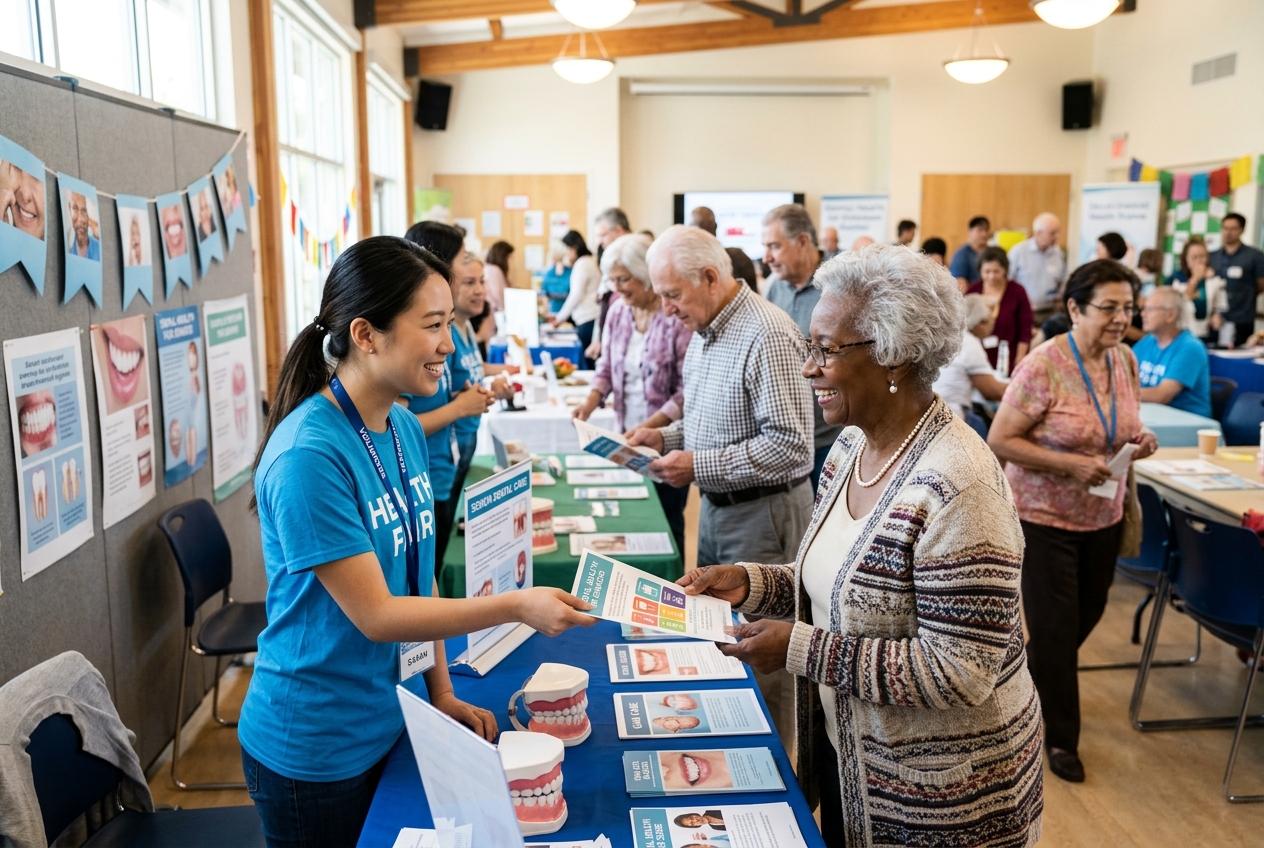
Beyond traditional insurance, several programs can reduce out-of-pocket dental expenses. For example, senior dental discount plans offer reduced fees at participating dentists for an annual membership fee, often with no waiting periods. Additionally, some nonprofit organizations and community foundations provide dental grants for elderly patients to cover procedures like extractions or dentures.
In select cases, free dental implants for seniors may be available through dental school clinics, clinical trials, or charity programs, though eligibility requirements vary significantly. According to the American Dental Association, dental schools and community health centers often provide low-cost care provided by supervised students or residents. To explore these options, consider the following resources:
- Dental schools: Offer reduced-cost treatment performed by students under supervision.
- Federally Qualified Health Centers: Provide sliding-scale fees based on income.
- State dental associations: May list volunteer or reduced-fee programs for older adults in your community.
Always verify program requirements and application deadlines before committing.
How to Find Affordable Dental Care Near You

When you're ready to schedule an appointment, a quick 'dental near me' search can help you identify local providers, but it's important to verify whether they accept your insurance or offer sliding-scale fees. Moreover, many local health departments and senior centers maintain lists of dentists who focus on treating older adults. If you're uninsured or underinsured, ask about in-house membership plans or flexible payment arrangements. Additionally, some dental offices offer senior discounts or seasonal promotions, so it never hurts to ask. Planning ahead can make dental care more predictable, less stressful, and often more affordable in the long run.
Why Senior Dental Benefits Matters
Maintaining oral health is essential for overall well-being, and there are more resources available than many seniors realize. From standalone insurance and discount plans to grants and free implant programs, the key is to research your options and ask the right questions. Consider exploring local dental schools, community health centers, and state assistance programs to find care that fits your budget. If you're curious about senior dental benefits, learning more can help you make an informed decision about your next step.